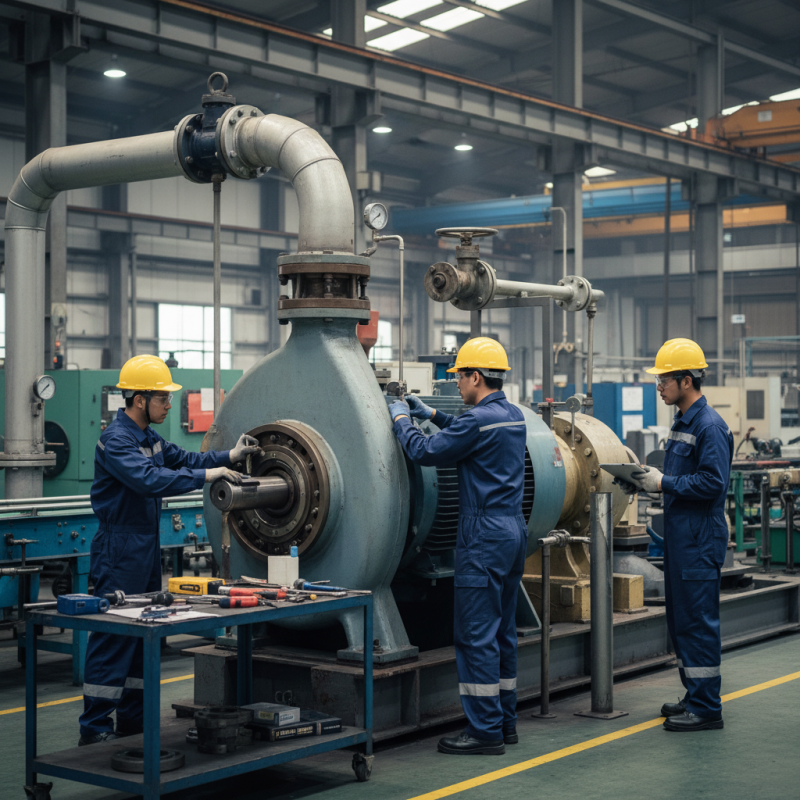
Regular maintenance is crucial for industrial pumps, ensuring efficiency and longevity. According to the Hydraulic Institute, improper pump maintenance can lead to a 25% loss in performance over time. This underlines why companies must prioritize their maintenance schedules. Dr. James Mitchell, a leading expert in industrial engineering, states, “Neglecting pump upkeep can lead to unexpected failures and increased costs.”
The unpredictable nature of industrial operations adds to the risk. A study by the U.S. Department of Energy found that regular maintenance can reduce energy consumption by up to 20%. This statistic illustrates the financial benefits of proactive care. Moreover, it highlights the importance of understanding why do industrial pumps need regular maintenance. A single malfunction can halt production, leading to significant losses.
However, maintenance doesn't just prevent breakdowns; it offers opportunities for efficiency improvements. Scheduled maintenance can identify areas for optimization that may otherwise remain unnoticed. Many companies overlook these possibilities. Reflecting on these needs can foster a deeper appreciation for the maintenance process. In the competitive landscape of industrial operations, focusing on routine upkeep can provide a significant edge.
Regular maintenance for industrial pumps is crucial. These pumps play a vital role in many manufacturing processes. Neglecting their upkeep can lead to costly downtime. Regular checks can catch small issues before they escalate. For example, worn seals may lead to leaks, affecting overall efficiency. Addressing such problems early can save both time and money.
When pumps are well-maintained, they operate more efficiently. This efficiency translates to lower energy consumption. Moreover, a well-maintained pump can extend its lifespan significantly. In some cases, it can improve the quality of the output. However, maintenance often gets overlooked. Teams may feel pressed for time or lack the necessary resources. This oversight can result in poor performance or even failure.
Investing in a structured maintenance program is essential. Conducting regular inspections helps identify potential issues. Check fluid levels, vibration patterns, and temperature regularly. Such diligence can prevent unexpected breakdowns. Finding a reliable maintenance schedule should be a priority. It ensures pumps function reliably and meet production demands.
Neglecting regular maintenance for industrial pumps can lead to significant issues. A report from the Hydraulic Institute states that approximately 50% of pump failures are due to inadequate maintenance. This negligence can result in reduced efficiency, leading to increased operational costs. When pumps operate below optimal levels, it can cause overheating and even catastrophic failures.
Common issues include clogged filters and worn-out seals. For example, a minor obstruction can disrupt fluid flow, causing pressure fluctuations. These fluctuations can damage components and decrease lifespan. Moreover, leaks can occur due to neglected seals. A study indicated that leaks could waste up to 30% of the fluid being pumped. Such inefficiencies not only escalate costs but also hinder overall productivity.
Vibration and noise are other signs of neglected pumps. Excessive vibration can indicate misalignment or imbalance, potentially leading to severe damage. According to experts, monitoring these factors can prevent costly repairs. Industrial facilities should implement regular checks and maintenance protocols. Such measures can enhance pump reliability and extend service life, ultimately benefiting the bottom line.
Regular maintenance of industrial pumps is crucial for optimal performance. Pumps are essential components in various industries, handling fluids under different conditions. Neglecting maintenance can lead to inefficiencies, increased wear, and costly breakdowns. Implementing routine inspections ensures any minor issues are caught early, preventing them from escalating into major failures.
Key practices include checking seals and gaskets. Worn seals can lead to leaks, affecting fluid integrity and system pressure. Regularly cleaning filters is equally important. Clogged filters reduce pump efficiency and can cause operational stress. Additionally, monitoring vibration levels helps identify misalignment or imbalance, issues that may require immediate attention.
Don't overlook lubrication, as inadequate lubrication can severely shorten the lifespan of pump components. Detailing maintenance records can also provide valuable insights into performance trends. Reflecting on past maintenance can highlight patterns and areas for improvement. If maintenance routines become too rigid, they may overlook the necessity of adapting to changing operational environments. Regular review of practices ensures continual alignment with actual pump performance demands.
Regular maintenance plays a crucial role in extending the life of industrial pumps. When pumps operate under high pressure and temperature, wear and tear can occur quickly. This can lead to costly breakdowns and unplanned downtime. With scheduled maintenance, potential issues can be detected early. This proactive approach reduces major repairs. It’s essential to routinely check seals, bearings, and impellers. Ignoring these components can result in leaks and inefficiencies.
Moreover, regular maintenance not only enhances longevity but also improves efficiency. Well-maintained pumps perform optimally, using less energy. Over time, neglected pumps can consume more energy. This translates to higher operational costs. Operators should also consider the environment. A poorly maintained pump can lead to spills, affecting surrounding areas. Efficient operations reflect a commitment to sustainability.
While maintenance might seem like an added expense, it ultimately saves money. Skipping routine checks can cause bigger problems. Companies should invest time in creating a robust maintenance schedule. Reflection on past maintenance records can guide future actions. Balancing costs with reliability is key for sustainable operations.
Investing in preventive maintenance for industrial pumps can yield significant cost benefits. Regular servicing helps identify minor issues before they escalate. This early intervention can save companies from expensive repairs down the line. When a pump fails, production can halt, leading to substantial losses. A well-maintained pump operates efficiently, ensuring that energy costs remain low.
The cost of preventive maintenance often pales in comparison to the expenses associated with unexpected breakdowns. Staff must divert their efforts to address urgent repairs. Additionally, downtime can impact product delivery and customer satisfaction. Preventive measures also extend the lifespan of pumps, reducing the need for premature replacements.
Some may question the initial investment required for routine maintenance. However, the long-term savings often justify the costs. Companies might also find that while maintenance schedules can seem like a burden, they create opportunities for enhanced productivity. Balancing maintenance frequency with operational demands is essential. Sometimes, companies may overlook this, leading to missed advantages. Investing in systematic care can transform a potential liability into a reliable asset.
: Neglecting pump maintenance can lead to reduced efficiency, increased operational costs, and potential catastrophic failures.
Clogged filters disrupt fluid flow and cause pressure fluctuations, damaging components and decreasing the pump's lifespan.
Excessive vibration and noise often indicate misalignment or imbalance, which can lead to severe damage.
Routine inspections help catch minor issues early, preventing them from escalating into major failures and costly repairs.
Key tasks include checking seals, cleaning filters, monitoring vibration levels, and ensuring adequate lubrication.
Well-maintained pumps perform optimally, consuming less energy and reducing operational costs over time.
Neglected seals can lead to leaks, affecting fluid integrity and causing significant pressure loss in the system.
Maintenance records help identify performance trends and highlight areas for improvement in maintenance practices.
Too rigid routines may overlook the need for adaptation to changing operational environments and actual pump demands.
Regular maintenance reduces the risk of spills and inefficiencies, reflecting a commitment to environmentally friendly operations.
Regular maintenance is essential for industrial pumps to ensure their optimal performance and longevity. Why do industrial pumps need regular maintenance? The answer lies in the importance of preventing common issues that arise from neglect, such as leaks, reduced efficiency, and unexpected breakdowns. By identifying and addressing potential problems early, operators can maintain high productivity levels and reduce costly downtimes.
Key maintenance practices, including routine inspections, lubrication, and timely repairs, play a significant role in keeping pumps functioning efficiently. The benefits of regular maintenance extend beyond just prolonging equipment life; they also result in considerable cost savings in the long run. Investing in preventive maintenance allows companies to avoid the high costs associated with emergency repairs and operational disruptions, ultimately enhancing overall operational reliability and performance.
Tongyi Machinery