How to Choose the Right Industrial Pump for Your Needs?

Time:2026-07-15 Author:Sophia
0%

Choosing the right industrial pump is a crucial decision for many applications. According to John Smith, a leading expert in industrial pump systems, "Selecting the ideal pump can significantly impact efficiency and operational costs." His experience underscores the importance of making informed choices.

When considering how to choose the right industrial pump for my application, various factors come into play. The type of fluid, flow rate, and pressure requirements are essential. Pumps serve different purposes, and a wrong selection may lead to performance issues. For example, using a centrifugal pump for viscous fluids can lead to inefficiencies.

Reflecting on past experiences can guide decisions. Have you faced challenges with your current pump system? Understanding previous mistakes can provide insights into your needs. Evaluating your application thoroughly ensures the pump selected meets all specifications and performance requirements. Ultimately, the goal is to achieve reliability and efficiency in your operations.
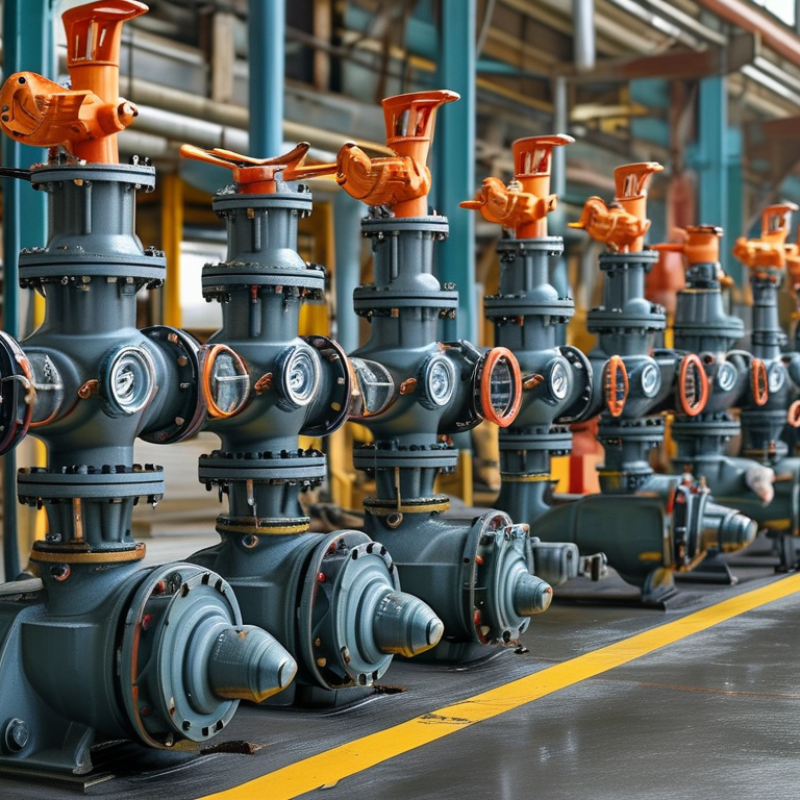
How to Choose the Right Industrial Pump for Your Needs?

Identifying Your Specific Pump Requirements and Applications

When selecting the right industrial pump, identifying specific requirements is crucial. Begin by examining the fluids to be transferred. Different substances require different pumping technologies. Consider viscosity, corrosiveness, and presence of solids. Each factor influences the pump's construction and materials. For instance, a thick slurry may need a progressive cavity pump, while a clean liquid could work with a centrifugal pump.

Next, evaluate the flow rate and pressure requirements. Calculate the expected volume, noting variations in demand. Do not overlook peak usage times. Pressure specifications determine the pump’s operational efficiency and longevity. Make sure to factor in the system’s layout, including discharge distances and elevations.

Lastly, consider maintenance and serviceability. Some pumps may involve complex repairs. Others are designed for ease of access. Reflect on the expertise of your maintenance team. Is there a steep learning curve? Each choice you make impacts overall efficiency and downtime. An informed decision balances immediate needs with future considerations.

Understanding Different Types of Industrial Pumps Available

When selecting the right industrial pump, understanding the different types is crucial. Pumps generally fall into two main categories: positive displacement and centrifugal pumps. Positive displacement pumps move fluid by trapping a fixed amount and forcing it into the discharge pipe. They excel in high-viscosity applications. Conversely, centrifugal pumps use rotational energy to transfer fluids. They are ideal for low-viscosity liquids and high-flow applications.

Consider your application requirements carefully. Identify the fluid type, viscosity, and temperature. Ensure compatibility with the pump’s materials. Flow rate and pressure are also essential factors. Too often, users overlook these details, resulting in inefficient processes or equipment failures.

Tips: Assess the environment where the pump will operate. Conditions like temperature extremes or corrosive chemicals can affect pump performance. Think about maintenance needs too. Some pumps require more maintenance than others, impacting downtime and costs. Always weigh these considerations against your budget and operational demands.

Evaluating Pump Performance Characteristics and Specifications

When choosing the right industrial pump, it's critical to evaluate performance characteristics. Start by examining the flow rate. This is a key indicator of how much fluid your pump can handle. Pumps may vary widely in capacity. Therefore, select one that meets your specific operational needs.

Next, consider pressure ratings. The maximum pressure that a pump can withstand is vital. If you require high-pressure output, ensure the pump can handle it reliably. Also, look into material compatibility. Certain fluids can corrode or degrade materials. Choosing the wrong material can lead to pump failure and unexpected costs.

Don't overlook efficiency ratings. An efficient pump saves energy and reduces operating costs. But, efficiency often depends on the application. Pumps may perform well in one scenario and poorly in another. Always gather feedback from current users and consult experts. This approach will give you a clearer picture of functionality. Recognize that your initial choice may not always be ideal. Regular evaluation can help you adapt and improve your pumping solutions as needs evolve.

Considering Material Compatibility and Environmental Factors

Selecting the right industrial pump demands careful consideration of material compatibility and environmental factors. Industry reports indicate that up to 70% of pump failures stem from material incompatibility. When a pump is not constructed from suitable materials, it can corrode or degrade swiftly. This leads to leaks and operational failures, ultimately impacting productivity.

Environmental conditions also play a pivotal role. Extreme temperatures, humidity, and exposure to aggressive chemicals can significantly influence pump performance. Research shows that over 55% of industries report increased wear and tear on pumps due to environmental stressors. Understanding these factors is essential for maximizing lifespan and efficiency.

A common oversight is neglecting to conduct thorough assessments before deployment. Companies often rush to purchase, only to grapple with failures later. Regular evaluation of both material strength and environmental conditions can mitigate these risks. By focusing on these critical aspects, organizations enhance reliability and performance in their operations.

Assessing Budget Constraints and Total Cost of Ownership

When choosing an industrial pump, budget constraints are crucial. A low initial cost may seem appealing. However, it's essential to consider the total cost of ownership (TCO). This includes maintenance, energy consumption, and potential downtime. Understanding these factors can help avoid unexpected expenses in the future.

Regular maintenance is often overlooked. Neglecting this can lead to more significant problems later. Energy efficiency is another factor. A pump that consumes more energy may cost less upfront but will drain your budget over time. Assessing these ongoing costs is vital for making an informed choice.

Sometimes, businesses overestimate their needs. They may purchase a more powerful pump than necessary. This can lead to increased operation costs without added benefits. Reflecting on actual needs can save money. Ultimately, evaluating all aspects of cost will lead to a wiser decision.

FAQS

: What are the two main types of industrial pumps?

: The main types are positive displacement pumps and centrifugal pumps.

How do positive displacement pumps work?

They move fluid by trapping a fixed amount and forcing it into the discharge pipe.

When should centrifugal pumps be used?

Use centrifugal pumps for low-viscosity liquids and high-flow applications.

Why is material compatibility important?

Improper materials can corrode and lead to leaks, causing operational failures.

What environmental factors can affect pump performance?

Temperature extremes, humidity, and exposure to aggressive chemicals impact performance.

What is a common mistake when selecting a pump?

Users often overlook compatibility and environmental assessments before purchasing.

How can regular evaluations help in pump operations?

They reduce risks of failures and enhance reliability and performance.

What maintenance considerations should be taken into account?

Some pumps need more maintenance, impacting downtime and costs significantly.

How can extreme conditions affect pump lifespan?

Increased wear and tear from harsh environments can shorten pump lifespan.

What should be assessed before deploying a pump?

Conduct thorough evaluations of material strength and environmental conditions.

Conclusion

Choosing the right industrial pump for your needs requires a comprehensive understanding of several critical factors. First, it’s essential to identify your specific pump requirements and the applications in which the pump will be utilized. Different types of industrial pumps serve distinct purposes, and understanding their unique characteristics is vital. Evaluating performance metrics such as flow rate, pressure, and energy efficiency will help narrow down your options.

Additionally, material compatibility and environmental considerations play a significant role in pump selection. Assess whether the pump materials will withstand the substances being pumped and the surrounding conditions. Finally, it’s crucial to assess your budget constraints by considering not only the initial purchase price but also the total cost of ownership, including maintenance and operational expenses. By carefully analyzing these elements, you can effectively answer the question of how to choose the right industrial pump for my application.

Sophia

Sophia

Sophia is a dedicated marketing professional with an exceptional depth of knowledge about her company's products and services. With a keen understanding of market trends and customer needs, she crafts insightful blog posts that not only inform but also engage readers, enriching the company’s online......